
The following story was authored by Bill Johnson and shared at the October 2026 Peru Historical Society Regular meeting. Bill is a director of the Peru Historical Society, a retired history teacher, and past County Board Member.
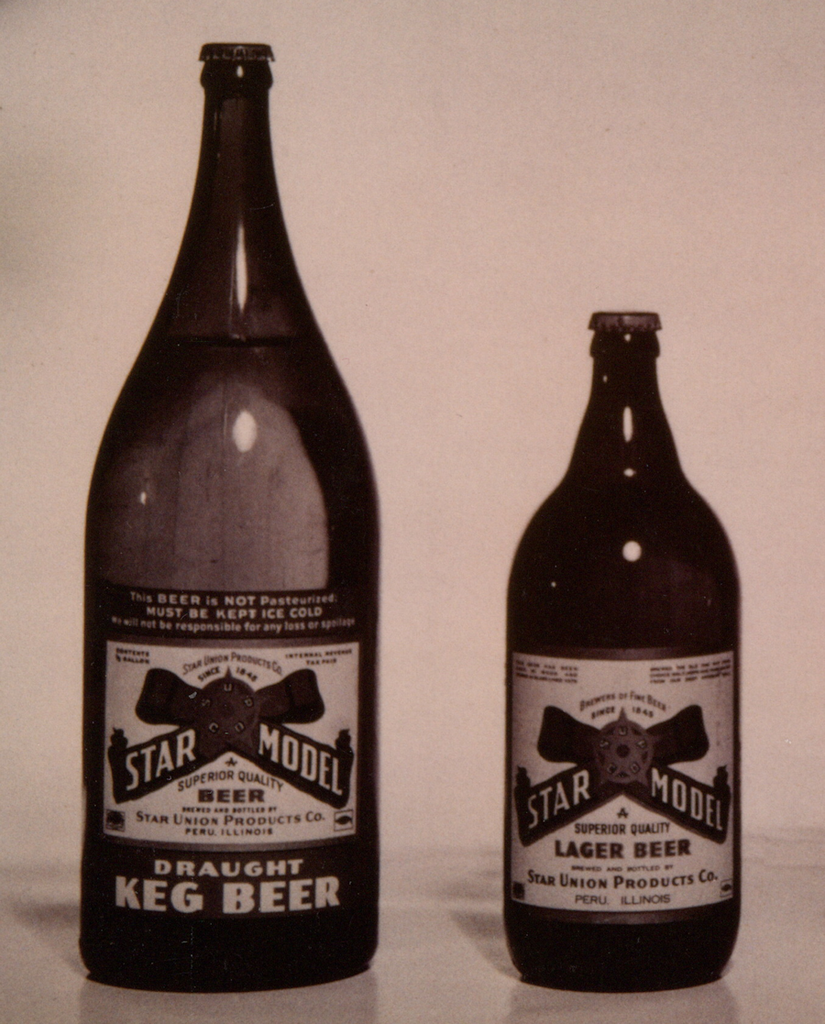
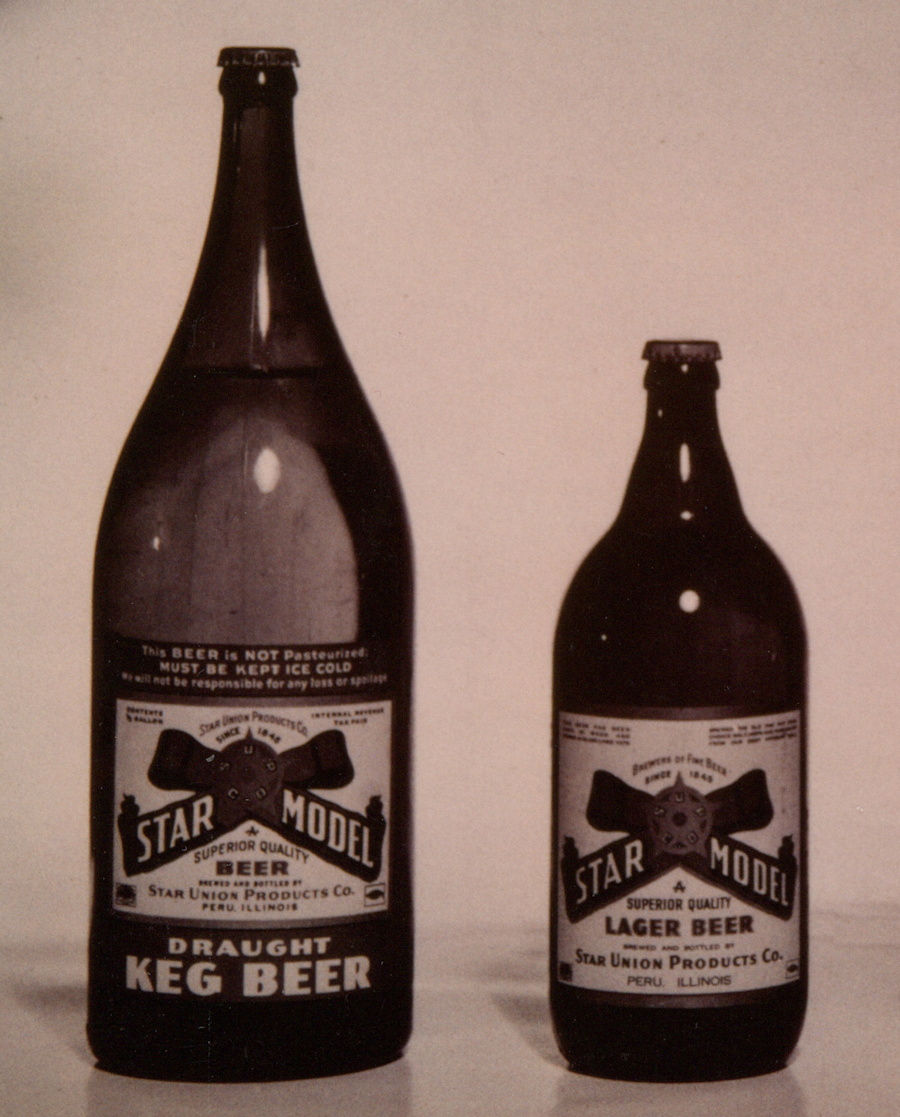
As many of you know, Star Union Brewery, which remained in business until 1966, had a large customer base in the Illinois Valley area but sold a lot of beer elsewhere in Illinois including Quincy. Until the building of interstates there was no easy way of driving approximately 195 miles to Quincy—the western most city in the state overlooking the Mississippi River. You would drive for hours and hours on two lane highways through corn and soybean fields through “Forgottonia” before reaching your destination.
Next the questions—first, how would anyone in Quincy know about LaSalle-Peru’s preferred beverage, Star Model Beer?
Second, would it be worthwhile for the brewery to hire a driver to make the 13-hour roundtrip to and from Quincy?
Third, how many stops do you think the Star Union beer truck made in Quincy?
The answer to the first question, how did people in Quincy learn about Star Model Beer, can be found from information in Chad Elmore’s well-researched book, The Peru Plow Works, Ninety Years of Farm Machinery in Peru Illinois, 1851-1941. Over the years, the factory produced a variety of farm equipment including plows, wheels, wagons, and tractors.
The original plow works was located on top of the bluff near the downtown occupying almost a square block bordered by Second and Third Streets, Grant and West Streets. In 1895 the factory was relocated to the bottom of the bluff along the south side of Brunner Street. The new location provided access to railroad and river transportation. More importantly it avoided hauling raw materials by horse and wagon up the hill and then returning the finished product back down the hill. (Elmore, pg. 33)
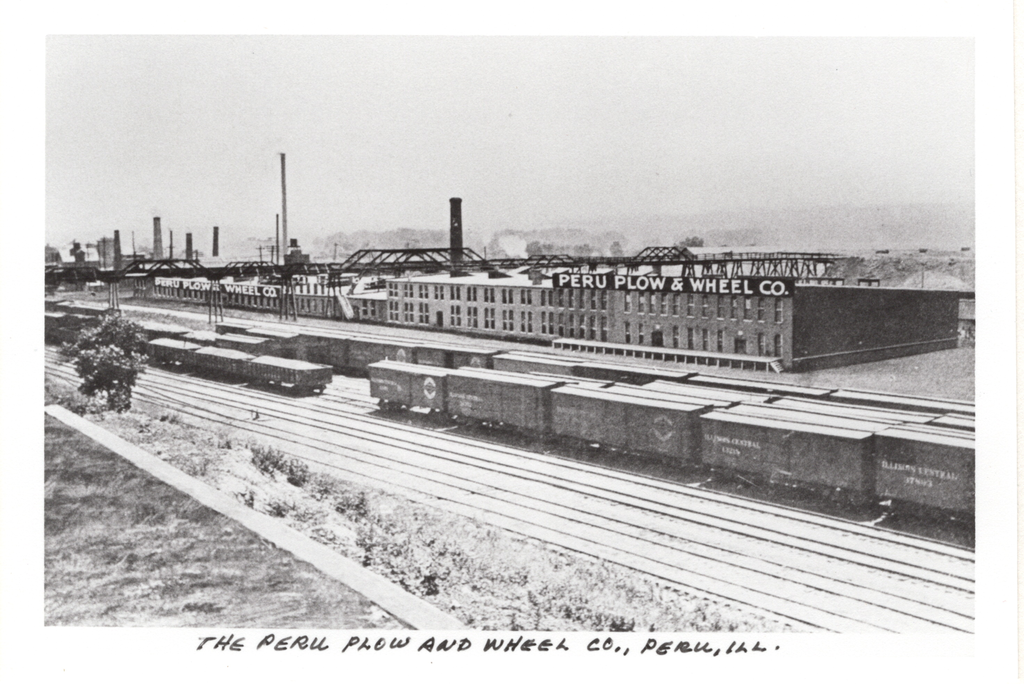
In 1941 the Peru Plow Works announced that it was suspending operations in Peru due to deteriorating business conditions and a change in product lines. According to Elmore, “The Daily Post Tribune reported that the Electric Wheel Company (of Quincy) paid approximately $250,000 for the Peru firm. The acquisition officially took place on May 1, 1941, and focused on the wheel side of the Peru company’s business.” (Elmore, pg. 80) After the merger/acquisition, employees of the Peru plant were given the choice of transferring to the Quincy plant. In addition to retaining their jobs, employees from the Peru plant were offered fringe benefits they had not previously received: seniority, pension plans, and hospitalization insurance. (Elmore, pg. 81) Many employees of the Peru plant made the move to Quincy. As Illinois Valley residents relocated to Quincy, many brought with them a taste for their preferred beverage, Star Model Beer.
The second and third questions can be answered by three interviews I had with deceased Peru resident, Robert H. “Stew from Peru” Stewart, on Aug. 14, 2000, Feb. 13, 2002, and Oct. 9, 2002. “Stew from Peru” lived at 2428 Market Street, the southeast corner of Church and Market Streets. He drove a beer truck for Star Union between 1951–1961 and again a couple of years before the brewery closed in 1966.
I am delighted to share this information with you. Remember all that is not recorded will be brushed into the dustbin of history and lost forever.
“Stew” made a beer run to Quincy every ten days. It took 13 hours to complete the round trip. His cargo consisted of 50 half barrels of beer balanced with cases. He had to be careful not to exceed the weight limit. It definitely was profitable for Star Union Brewery to make the beer run to Quincy.
The answer to the third question, how many stops did Stew make in Quincy, is surprising. Stew dropped his entire cargo at one bar—Gross Brothers Tavern (also known as Gross’ Inn) located at the NW corner of 12th and Lind Streets—located a few blocks north of the downtown. Stew said that in addition to Star Model, the Gross Brothers served Budweiser and Falstaff on tap. Stew attributes the success of Star Model to three factors:
(1) it tasted good.
(2) the price was competitive,
(3) many of the transplants from LaSalle-Peru brought with them a loyalty to their preferred beverage, and it was available at the Gross Brothers Tavern.
They probably reminisced about the homes they left as they sipped their glass of Star Model.
But what explains the extraordinary quantity of draft beer sold at this one bar? No doubt local Quincy residents acquired a taste for Star Model. Most of the beer was consumed off premises. A practice known as “shoot the bottle” developed in Quincy—very similar to years ago of taking draft beer off premises in metal containers known as growlers—before bottles and cans were available. A patron would show up with an empty gallon bottle, the bartender would fill the bottle, put on the cap, collect the cash, and off the patron would go with his gallon of beer.
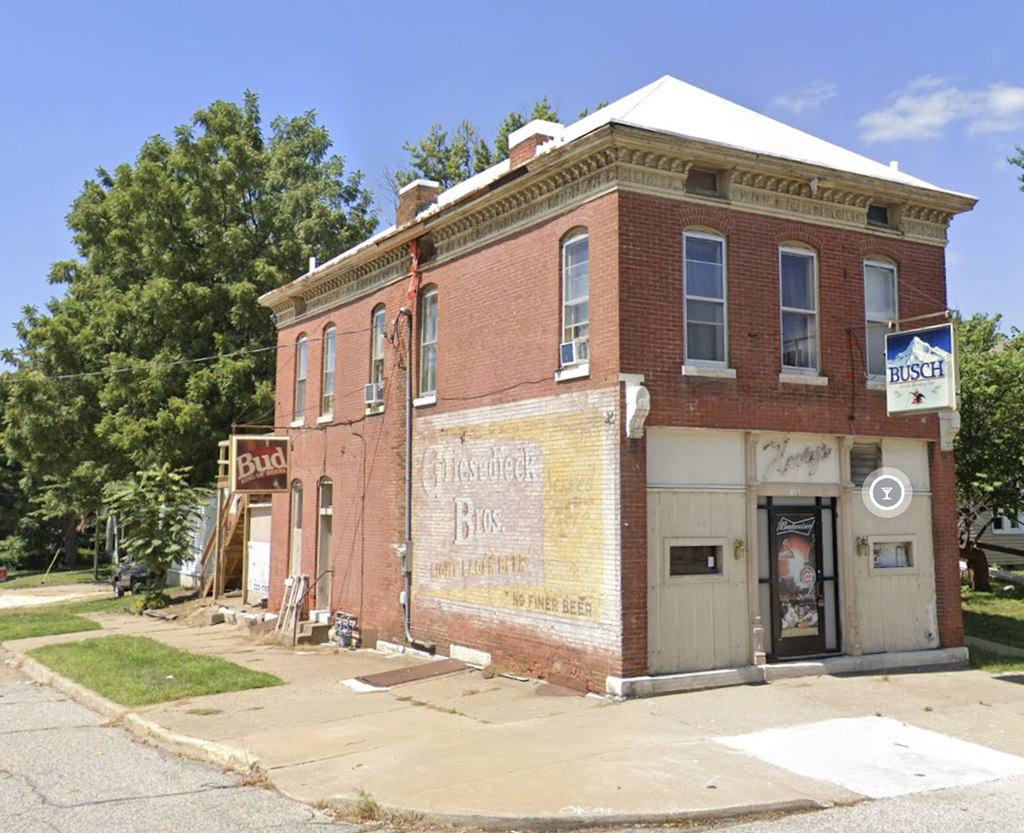
A half barrel of beer contains 15½ gallons. It wouldn’t take long to empty a half barrel—combining “shoot the bottle” with patrons drinking beer at the bar and at tables, possibly from pitchers, it is conceivable that the Gross Brothers could go through 50 half barrels of Star Model every 10 days. Former Ottawa resident Don Diesdecker, who grew up in Quincy, corroborates that “shooting the bottle” was a common practice.
However, all good things must come to an end. The Illinois Department of Revenue stopped the practice of “shooting the bottle” as it was in violation of licensing and revenue laws. There is no doubt that the amount of draft beer sold in Quincy diminished after the revenue department put an end to “shooting the bottle.”
Thank you, “Stew from Peru,” wherever you are, for relaying this bit of history about the Peru-Quincy Star Union Brewery connection and preventing it from being brushed into the dustbin of history and lost forever.